
How to Fix Basement Perimeter Drain System Failure: Complete Guide
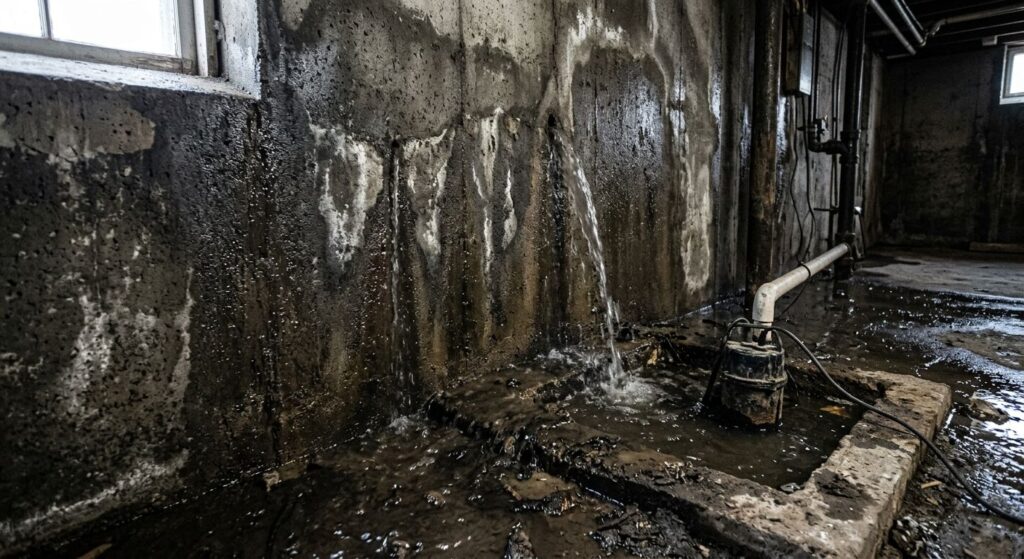
Table of Contents
Understanding Basement Perimeter Drain System Failure
Understanding a basement perimeter drain system failure begins with knowing how this subsurface drainage works. Often called a French drain or footing drain, this system consists of a perforated pipe laid in gravel around the foundation footer, designed to collect groundwater and safely redirect it away from your home.
Three common issues can prevent a drain from functioning properly. A clogged perimeter drain frequently develops when sediment and fine debris accumulate inside the pipe, restricting water flow. The pipe itself can also collapse or crush under heavy soil pressure or the weight of equipment operating above it. In other cases, improper slope during installation or a blockage at the discharge outlet stops water from exiting the system altogether.
When any of these failures occur, the surrounding soil becomes saturated because the drain no longer provides hydrostatic pressure relief. That trapped water exerts increasing force against foundation walls and the basement slab. Over time, this pressure can force moisture through existing cracks and may even cause new cracking or structural bowing. Professional inspection is essential to identify the exact cause and extent of the problem. Hydrostatic pressure from a failed drain can cause foundation cracks; for information on foundation crack repair cost, visit our FAQ.
Helical Pier Installation
Understanding helical pier installation cost starts with how we install them. Our family-owned and operated since 1996 team screws steel piers into load-bearing strata using hydraulic torque motors. No concrete curing means immediate loading and minimal site disturbance.
This method resolves foundation failures from basement perimeter drain system failure and inadequate hydrostatic pressure relief in Colorado’s expansive soils. For homes needing clogged perimeter drain repair, helical piers perform well in poor soil, often 66% faster than traditional methods, with capacities verified by torque monitoring.
Tieback Anchor Systems
When basement perimeter drain system failure leads to wall movement in your Littleton home, stabilizing the bowing wall requires targeted solutions. Tieback anchor systems are steel rods drilled through the wall into stable soil behind it, counteracting lateral earth pressure and providing hydrostatic pressure relief. These engineered systems demand professional installation – we at Rocky Mountain Steel Piering, Inc., family-owned and operated since 1996 with an A+ BBB rating, never recommend DIY approaches. Final costs, including foundation crack repair cost, are determined after an on-site inspection and custom quote.
Epoxy Injection for Foundation Cracks
When a basement perimeter drain system failure in Colorado causes foundation cracks, epoxy injection can restore structural integrity. We inject a two-part epoxy that bonds and seals the crack, restoring original strength and preventing water intrusion. Suitable for hairline cracks up to 1/4 inch; wider cracks require a licensed structural engineer. After hydrostatic pressure relief or clogged perimeter drain repair, epoxy injection seals resulting cracks. Our A+ BBB-rated, family-owned team, serving Littleton since 1996, delivers reliable epoxy injection; contact us for a custom quote.
Polyurethane Foam Lifting
When concrete settles due to a basement perimeter drain system failure, our polyurethane foam lifting service restores level surfaces. We drill small holes, inject polyurethane foam, and the expansion raises sidewalks, driveways, patios, steps, and interior slabs. The lightweight foam cures in minutes, allowing immediate loading, and minimizes disruption by not needing heavy equipment. This method also permits effective hydrostatic pressure relief and can assist with clogged perimeter drain repair. Our trained, certified installers deliver predictable results. As a family-owned company since 1996, we provide a custom quote after an on-site inspection.
Perimeter Drain Systems
Basement perimeter drain system failure is a leading cause of water intrusion in Colorado homes. A perimeter drain system uses perforated pipe around your foundation to collect groundwater and provide hydrostatic pressure relief, preventing moisture buildup against walls. When these systems become clogged with silt or debris, collapse, or are improperly installed, water can seep through basement floors and walls, putting pressure on your foundation. Our team at RMS Foundation Repair inspects, cleans, and repairs clogged perimeter drain systems to restore proper drainage and protect your home’s structural integrity.
Sump Pump Systems
A sump pump system is a mechanical device in a sump pit that collects groundwater and pumps it away to prevent structural damage in basement perimeter drain system failure. It is essential for hydrostatic pressure relief, actively removing water that would cause structural damage. Pump failure from power loss, debris, or wear can cause basement flooding. We recommend regular maintenance to reduce the risk of clogged perimeter drain repair and extend system life. However, no single pump guarantees absolute water protection; it should be part of a complete drainage plan.
Exterior Waterproofing Solutions
Exterior waterproofing addresses water intrusion at its source, and a common culprit behind foundation moisture is basement perimeter drain system failure. When perimeter drains clog or collapse, water accumulates against foundation walls, creating hydrostatic pressure that forces moisture through cracks and porous concrete. This pressure, left unaddressed, can cause significant structural damage over time. Our team sees these issues frequently in Colorado, where expansive soils and seasonal moisture cycles put constant stress on below-grade structures.
We install perimeter drain systems and moisture and vapor barriers to relieve hydrostatic pressure and keep foundations dry. As a family-owned and operated company since 1996, we’ve refined our approach across decades of local projects. If you notice damp basement walls or water pooling near your foundation, contact us to schedule an on-site inspection and receive a custom quote for your exterior waterproofing needs.
Interior Drain Tile Systems
An interior drain tile system prevents a basement perimeter drain system failure by intercepting groundwater along the footing. The perforated pipe below the slab collects water through a gravel bed, providing passive hydrostatic pressure relief and carrying it to the sump pump. This interior approach is less invasive than exterior excavation, suits finished basements, and works alongside vapor barriers. We are family-owned and operated since 1996, and we recommend regular sump pump inspections to avoid the need for clogged perimeter drain repair.
Moisture and Vapor Barriers
Complementing drainage systems, moisture and vapor barriers—typically polyethylene sheeting—block water and vapor from basements in the Denver area, helping prevent basement perimeter drain system failure. Installed in new construction, additions, and crawl space encapsulation, they provide hydrostatic pressure relief, reducing the need for clogged perimeter drain repair, preventing mold and protecting structural wood. We install these barriers as part of our foundation repair services, with family-owned expertise since 1996. For a custom quote, contact us; for definitive design, consult a structural engineer, and see our FAQ for details.
Egress Window Installation
Our team handles the entire installation process, from cutting concrete to final waterproofing, designed to meet local building codes while improving basement safety and natural light.
- We cut the concrete foundation wall to the required egress opening size.
- We excavate outside for a properly sized window well with a gravel base and drain tile to prevent water accumulation.
- We apply waterproofing membrane and sealants around the window frame for a watertight seal.
All installations are designed to meet Colorado egress requirements. Contact us for a custom quote after an on-site inspection.
Comparison of Basement Perimeter Drain Solutions
Now that we have examined each solution individually, the following table compares them side by side for homeowners dealing with a basement perimeter drain system failure.
| Tool / Solution | Key Feature | Pricing Model | Primary Best Use |
|---|---|---|---|
| Helical Piers | Immediate load bearing | Custom quote | Foundation settlement |
| Tiebacks | Lateral wall support | Custom quote | Bowing walls |
| Epoxy Injection | Crack sealing | Custom quote | Non‑structural cracks |
| Polyurethane Foam Lifting | Slab raising | Custom quote | Sunken concrete slabs |
| Perimeter Drain Systems | Water diversion | Custom quote | Failed weeping tile |
| Sump Pumps | Active water removal | Custom quote | High water table |
| Exterior Waterproofing | External moisture barrier | Custom quote | Above‑grade walls |
| Interior Drain Tile | Interior water channel | Custom quote | Finished basements |
| Moisture/Vapor Barriers | Humidity control | Custom quote | High indoor moisture |
| Egress Windows | Safety & drainage | Custom quote | Basement code compliance |
All ten tools carry a custom-quote pricing model because site conditions vary substantially. Water diversion solutions such as perimeter drain systems and sump pumps provide essential hydrostatic pressure relief, while structural repairs like helical piers or tiebacks address settlement and bowing. When a clogged perimeter drain repair or total replacement is needed, excavation and installation are performed by certified professionals—these are not DIY projects. According to American Society of Civil Engineers guidelines, a comprehensive on-site inspection is required before selecting any approach, and property owners should consult a licensed structural engineer for a definitive diagnosis.
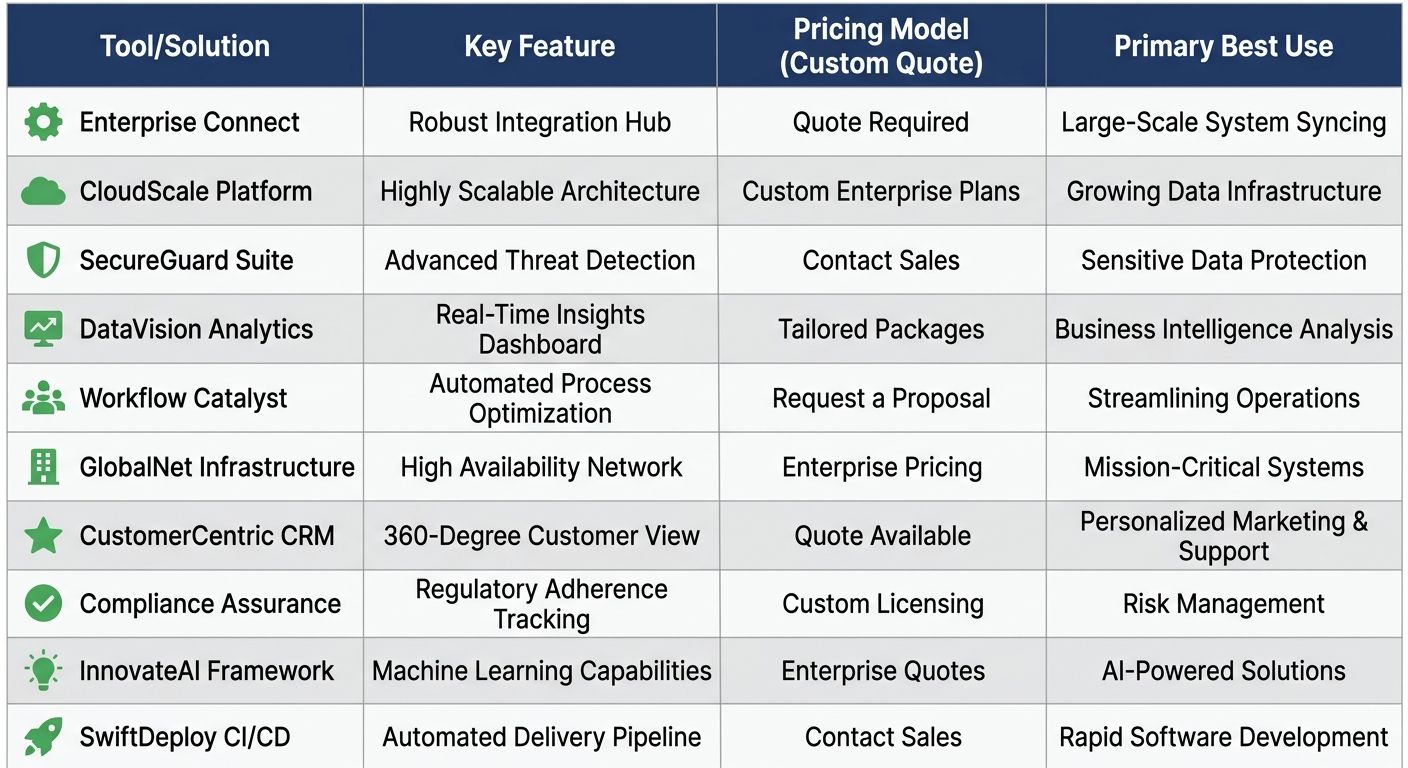
Basement perimeter drain solutions comparison
Use this comparison to identify the best strategy for your specific basement drainage challenges, then contact our experts for a custom assessment.
Protect Your Basement with Proactive Drainage Solutions
A basement perimeter drain system failure can lead to water damage and costly structural repairs. Over time, perimeter drains become clogged with sediment, tree roots, or debris, losing their ability to manage groundwater effectively. When drainage stops, hydrostatic pressure relief is compromised, allowing water pressure to build against foundation walls and force moisture through tiny cracks.
We recommend annual inspections and professional cleaning to prevent clogged perimeter drain repair needs and to avoid a basement perimeter drain system failure. A properly functioning system channels water away from your foundation, significantly reducing stress on basement walls and floors.
As a family-owned and operated company since 1996, RMSSCO has seen how neglected drains often result in expensive foundation cracks. We offer perimeter drain system installation and inspection services for properties in Colorado, always beginning with an on-site evaluation to tailor solutions to your home’s specific conditions. Contact us for a custom quote.